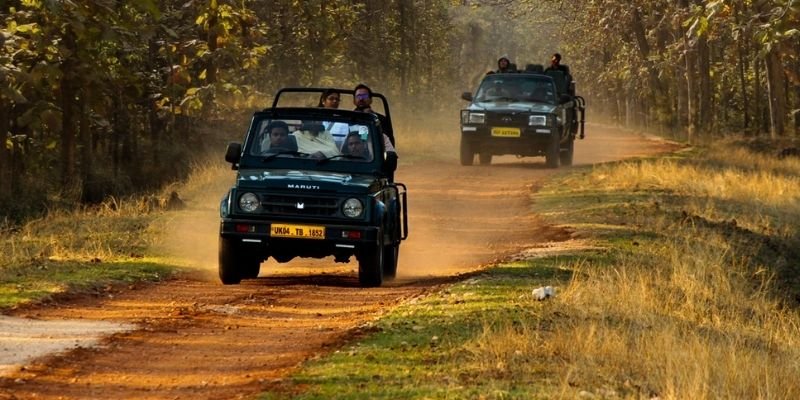
Dhela Government Forest Rest House / Lodge / Eco-Tourism Zone Night Stay Accommodation
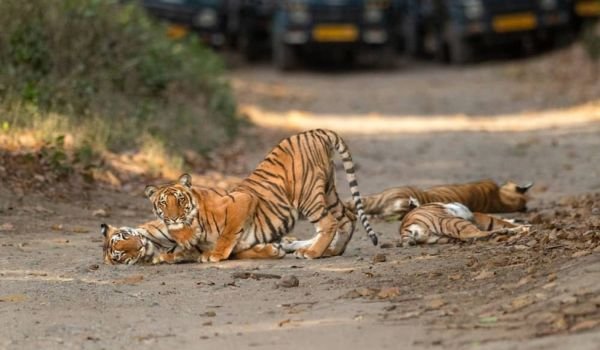
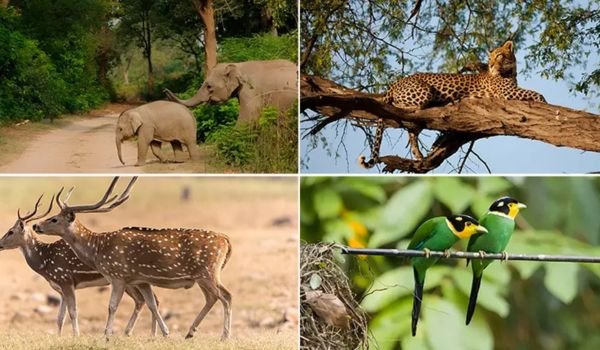
The Dhela Eco-Tourism Zone is the newest and sixth safari zone of Corbett Tiger Reserve, opened for visitors in December 2014. Unlike most zones, Dhela remains open throughout the year, making it a popular choice for wildlife enthusiasts seeking an uninterrupted safari experience. Spread across 1,173 hectares, this zone is known for its rich biodiversity and mixed vegetation, including Sal, Rohini, Haldu, Bahera and Kusum trees that create a thriving natural habitat. The forest is home to an impressive range of wildlife such as tigers, leopards, Asiatic elephants, sloth bears and the majestic king cobra. Dhela is also exceptionally rich in birdlife, offering excellent opportunities for bird watchers to spot a wide variety of species in their natural surroundings.
Dhela Eco-Tourism Zone - Winter Safari Timings
| Entry | Exit |
|---|---|
| Morning Safari - 07:00 am | Morning Safari - 10:00 am |
| Evening Safari - 02:00 pm | Evening Safari - 05:30 pm |
Dhela Eco-Tourism Zone - Summer Safari Timings
| Entry | Exit |
|---|---|
| Morning Safari - 06:00 am | Morning Safari - 09:30 am |
| Evening Safari - 03:00 pm | Evening Safari - 06:30 pm |
Night Stay
Dhela FRH has a sprawling campus. It is located in the buffer area of Corbett Tiger Reserve that was added to it in 1991. The village of Dhela close to the FRH lends its name to it. Walking in the forest for birds watching is a delight anyone staying here can indulg in.
Online booking form
Need Help?
Call Us:
Attractions
Jungle Safari
Visitors to the sanctuary can experience the wilderness through either an Elephant Safari or a Jeep Safari, both of which offer exciting ways to explore the rich wildlife of the region. Prior booking is essential for Jeep safaris, while tourists seeking a closer connection with nature can also choose to walk on a guided forest trail accompanied by an armed guard, making it a truly thrilling and unforgettable adventure. Located close to Corbett National Park, the sanctuary provides excellent opportunities to spot Asiatic elephants, tigers and a wide variety of other wildlife species in their natural habitat.
Chaurs (Grass Lands)
A vast Laldhang chaur is the main attraction of this zone. The grassland is often seen packed with elephants and deers. Several wild pigs and Neelgai can also be seen here. The area is also a very sought after place for visitors interested in grassland birds.
Flora & Fauna
Sheesam, Dhak, Sisoo and Khair are among the most common tree species found throughout Corbett, along with many other varieties that add to the region’s rich biodiversity. Chir Pine is the only conifer in the park and is mainly seen on ridge tops like Chir Choti, gradually declining near Gajar Sot. The higher elevations around Kanda support the growth of Banj Oak, a characteristic Himalayan species. Trees like Kanju, Jamun and Aamla thrive across major parts of the forest, while Bel, Kusum, Mahua and Bakli further enhance the diversity of vegetation in Corbett National Park. This flourishing habitat supports a remarkable range of wildlife, including endangered species. The park is home to iconic animals such as the Royal Bengal Tiger, Asian Elephant, Spotted Deer, Barking Deer, Chital, Sambar Deer, Wild Boar, Black-Faced Monkey, Rhesus Monkey, Wild Pig and Jackal. It also offers exceptional bird-watching opportunities with species like Peacock, Jungle Fowl, White Bush Chat, Oriental Pied Hornbill, Emerald Dove, Red Wattle Lapwing, Asian Paradise Flycatcher, Kingfisher, Alpine Swift, Woodpecker, Laughing Thrush, Vulture, Parakeet, Kaleej Pheasant, Oriole, Common Grey Hornbill, Duck, Stork, Cormorant, Parrot, Indian Roller, Teal and Seagull commonly seen around the park. Corbett’s diverse landscapes, abundant vegetation and thriving wildlife make it one of India’s most extraordinary natural habitats.
Open & Close Time
Dhela ecotourism zone remain open for tourists throughout the year.
How to Reach Dhela
The entry for Dhela zone is common with the Jhirna zone and is from Dhela gate which is located at a distance of approx. 15 kms from Ramnagar.